

What Is a Hearing Aid Specialist or Hearing
Instrument Practitioner?
Hearing Aid Specialists—also known as Hearing Instrument Practitioners or Hearing Aid Dispensers—are licensed healthcare professionals who evaluate hearing health and provide personalized solutions, most commonly hearing aids, to help individuals reconnect with their world and improve communication, confidence, and quality of life. They may also offer hearing protection and testing services.
These professionals are often the first point of contact for individuals experiencing hearing loss, including in suburban, rural, and underserved communities. Their care is timely, cost-effective, and essential to expanding access to hearing healthcare and reducing barriers to care.
Hearing Aid Specialists are regulated by state or provincial authorities and recognized by public health systems including the U.S. Department of Labor, Veterans Affairs, Medicaid programs, and Canadian provincial health services.
Whether you’re seeking care, exploring a career, or shaping policy, these professionals play a vital role in hearing health and public well-being.
What They Do
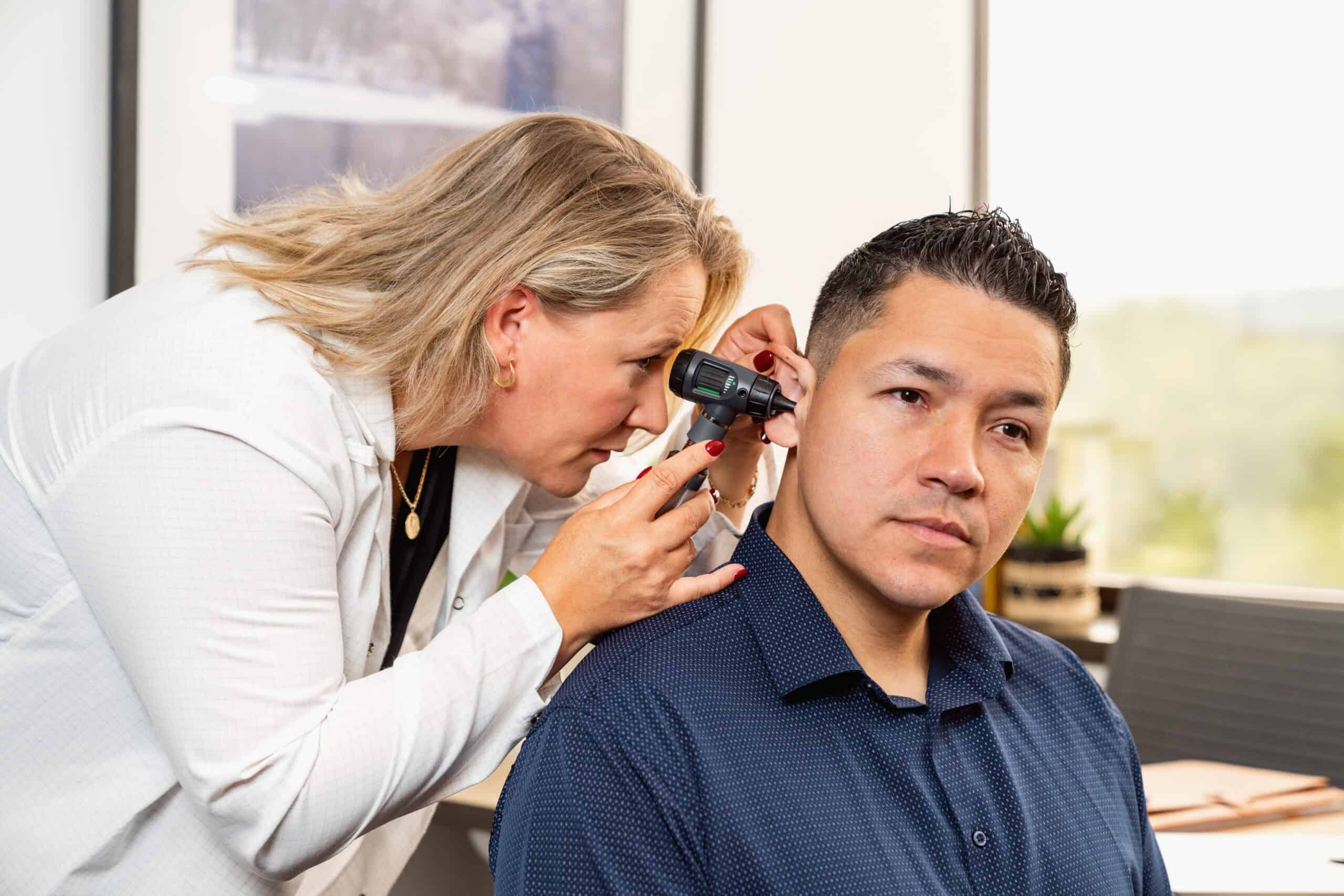
Hearing Aid Specialists work directly with patients to:
- Conduct hearing evaluations and screenings
- Identify hearing loss and recommend care options
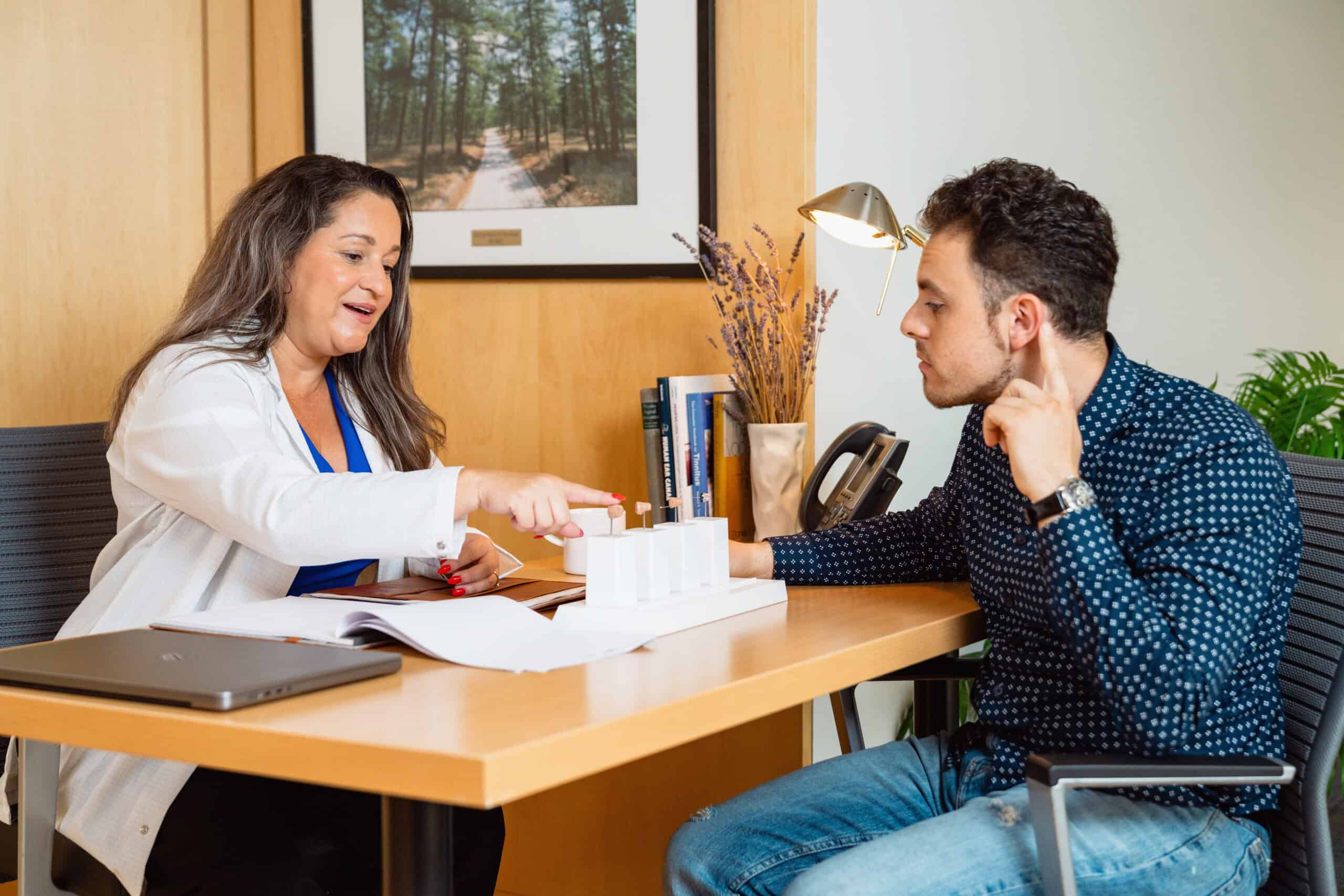
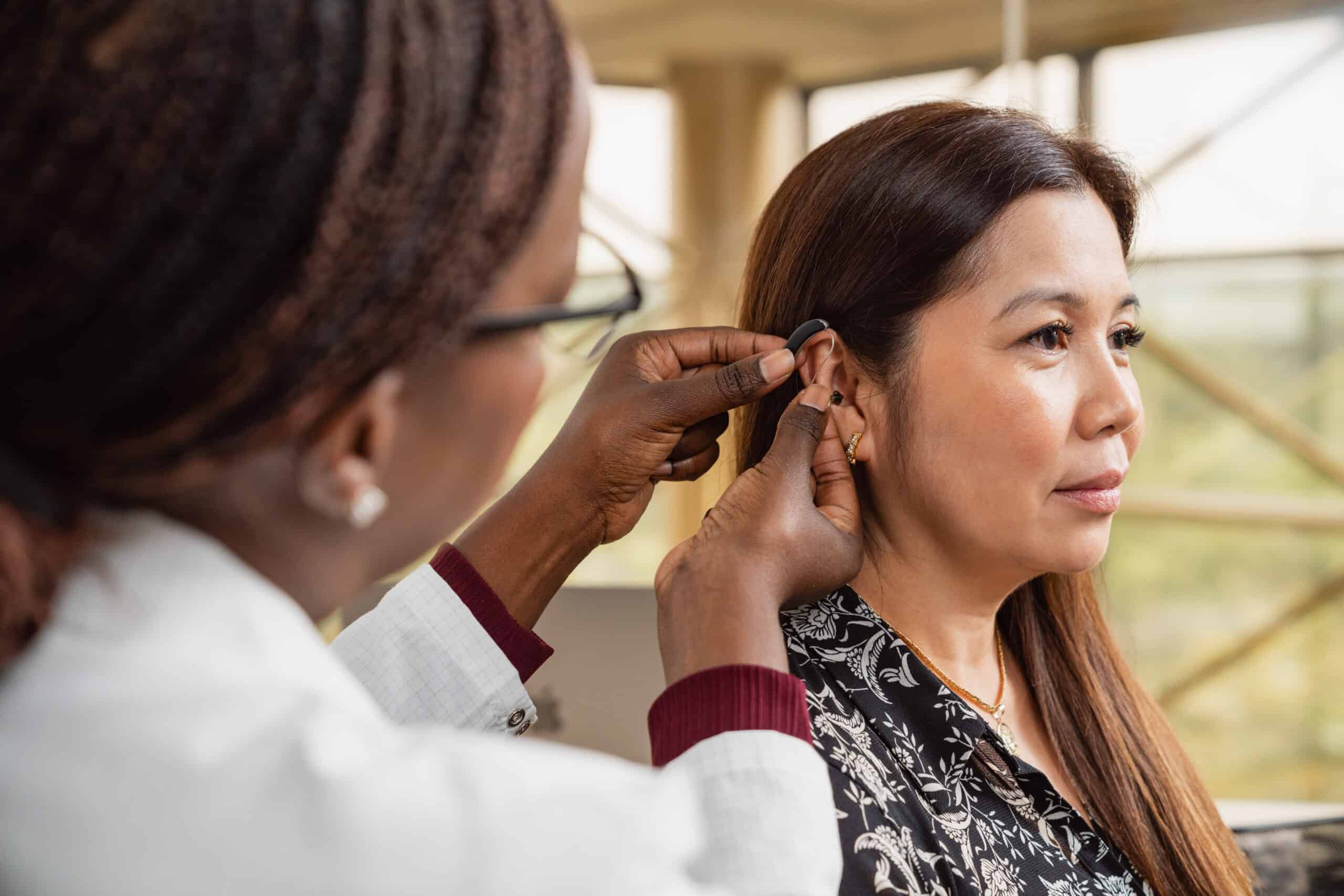
- Fit and adjust hearing aids based on individual needs
- Provide ongoing support and education for successful hearing aid use
- Refer patients to physicians when medical evaluation is needed
They take time to understand each person’s lifestyle, communication challenges, and hearing goals—whether it’s staying connected at work, enjoying family conversations, or participating in community life.
Many Hearing Aid Specialists also serve suburban and rural communities, offering care in satellite offices, assisted living facilities, and even in-home settings—bringing hearing healthcare closer to where it’s needed most.
Why They’re Qualified
Regulations vary by jurisdiction, but all Hearing Aid Specialists must meet competency standards and typically must maintain continuing education after initial licensure.
To become a licensed Hearing Aid Specialist or Hearing Instrument Practitioner, individuals generally:
- Complete formal education or hands-on apprenticeship in hearing healthcare and hearing instrument sciences
- Pass written and practical exams to demonstrate competency
- Maintain state/provincial licensure or registration, continuing education, and compliance with ethics and consumer protection standards
They often collaborate with other healthcare providers—including physicians, nurses, and audiologists—to deliver integrated care.
Advanced Credentials
Some professionals pursue additional certificates and designations to deepen their expertise and clinical skills.
IHS Advanced Education Programs
Advanced Hearing Aid Professional (AHAP)
Offered by IHS, the AHAP credential is earned by licensed professionals who complete advanced training in clinical skills, patient care, and hearing aid technology through a flexible, expert-led program.
Audioprosthologist (ACA)
This designation, previously offered and awarded by IHS, reflects advanced training and completion of the American Conference of Audioprosthology program, which included advanced training in hearing aid sciences and related knowledge.
Tinnitus Care Provider Certificate
This certificate is earned by professionals trained to support patients experiencing tinnitus after completion of the IHS Tinnitus Care ProviderTM course.
Other Professional Credentials
Board Certified in Hearing Instrument Sciences (BC-HIS)
The National Board for Certification in Hearing Instrument Sciences (NBC-HIS) is an independent, non-profit, credentialing organization, established to promote continuing competency assurance of hearing healthcare professionals through their board certification.
This designation is awarded to hearing healthcare professionals who have demonstrated their advanced practice through passage of a specialized examination, years of clinical practice, adherence to NBC-HIS’ Code of Ethics, and maintenance of continuing education coursework.
Interested in Becoming a Hearing Aid Specialist?
If you’re passionate about helping others, enjoy hands-on work, and want a meaningful career in healthcare, becoming a Hearing Aid Specialist could be the right path for you. Most professionals enter the field through formal training programs or apprenticeships, followed by licensure exams. IHS offers resources to help you get started. Becoming a Hearing Aid Specialist offers a meaningful career with flexible pathways and the opportunity to make a lasting impact in your community.

Looking for Care?
Hearing Aid Specialists are trusted providers who can help you take the next step toward better hearing.