
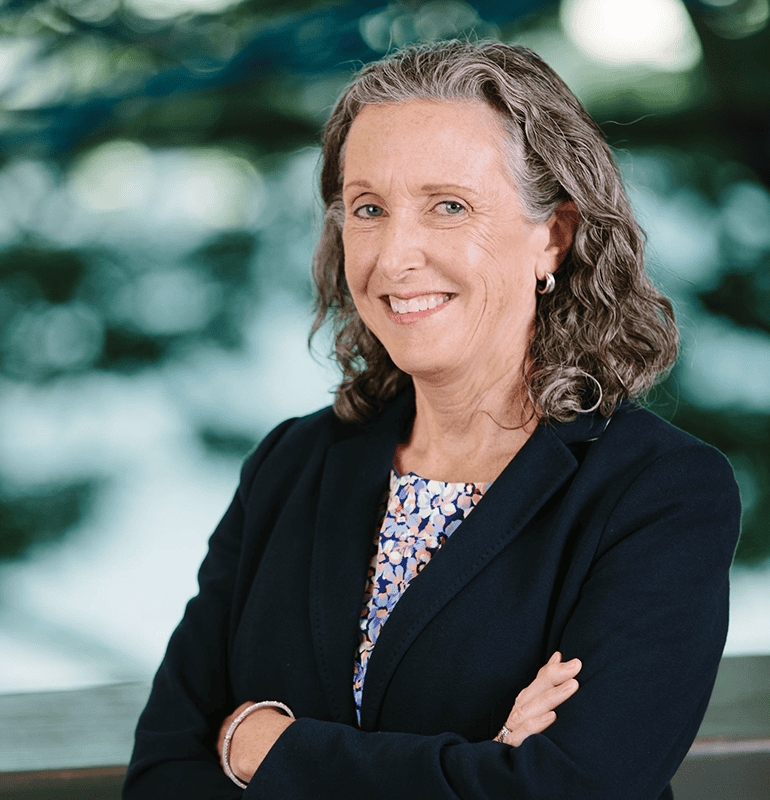
About Andrea
Andrea Kaneb is a consumer advocate, engineer, and hearing technology user who focuses on translating complex hearing technology into meaningful, real-world benefit for patients. She has lifelong hearing loss, has worn hearing aids for 38 years, and now uses bilateral cochlear implants, giving her direct experience across multiple stages of the hearing care journey. With a background in electrical engineering and N-CHATT hearing assistive technology training, Andrea explores how patients experience technology in everyday environments, particularly in noise. Her work emphasizes where expectations are formed, where they diverge from lived experience, and how communication and counseling influence long-term outcomes. Andrea serves on the Board of Directors of the Hearing Loss Association of America and is Chair of the New Hampshire Advisory Committee for the Deaf and Hard of Hearing. She is a recipient of the HLAA Keystone Award and shares additional insights and resources at gatheringsound.com.
Session Details
AI in Hearing Aids: Real-World Consumer Insights and Actionable Strategies for Dispensers
Artificial intelligence (AI) capabilities in hearing aids represent one of the most meaningful advances in hearing healthcare in the past decade, particularly for improving access to speech in noisy environments. At the same time, consumer experiences with AI vary widely. Some users report significant reductions in listening effort, while others experience more limited or situational benefits. These differences often shape satisfaction, trust, and long-term device use. This presentation examines how consumers actually experience AI-enabled hearing aids across their journey, from hearing testing, to fitting, to acclimatization, and what those experiences mean for dispensing practice. Drawing on the presenters’ new, in-depth interviews with individuals who have used AI features in real-world environments, the session identifies three moments in the consumer-patient journey where expectations are most often formed, challenged, or recalibrated. Rather than comparing products or manufacturers, the presentation focuses on practical insights that consistently emerge from user experience: the importance of honest expectation-setting around outcomes; the role of device selection and fitting in supporting AI performance; and the need for targeted coaching to help users adapt and succeed. Each insight is paired with actionable communication and counseling strategies that dispensers can apply immediately. The session will incorporate hands-on role-plays, interactive audience polling, and three structured breakout discussions. Participants will work through real-world scenarios to identify drivers and barriers to AI success, practice communication strategies, and apply new fitting and counseling techniques.To fully realize the promise of AI-enabled hearing aids, dispensing practices must address not only technology selection, but also how benefits and limitations are explained, how fittings support intended performance, and how users are guided through real-world use. Attendees will leave with impartial, patient-centered approaches for improving satisfaction, reducing returns, and building trust in an AI era.
Attend this session and you’ll learn how to:
- Define practical ways dispensers can set appropriate expectations for AI performance during the hearing testing and evaluation phase based on real-world consumer experiences.
- Explain how hearing aid selection and fitting decisions influence the real-world effectiveness of AI features as experienced by consumers.
- Apply targeted counseling and coaching strategies to support consumer adaptation to AI features and improve satisfaction in everyday listening environments.