
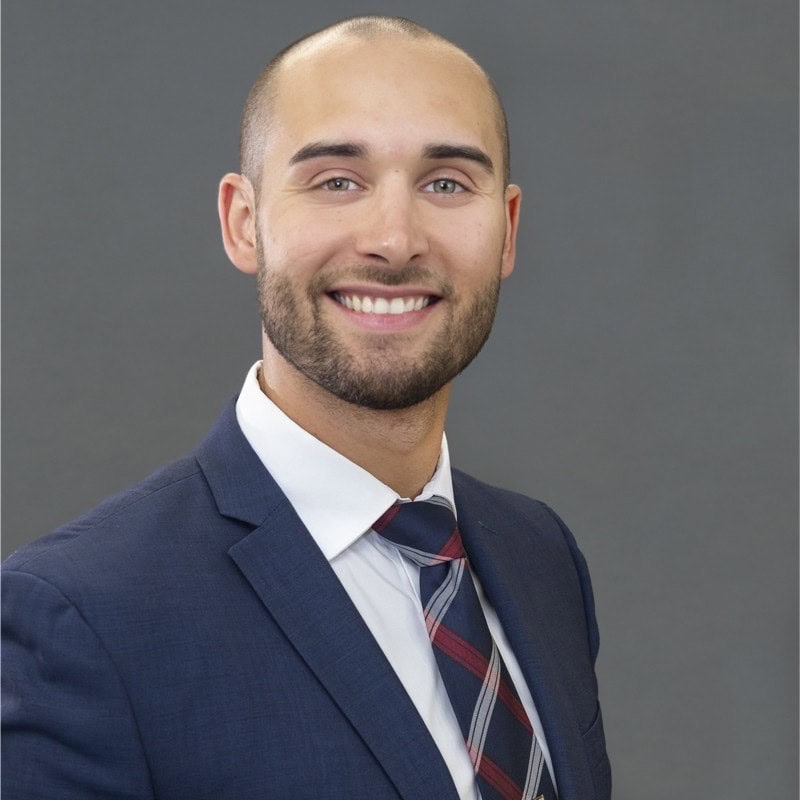
About Blaise
Blaise Delfino, M.S. is an innovative leader in the field of hearing healthcare with 11 years of experience as a licensed hearing instrument specialist. With a progressive career spanning operations, sales, marketing, and business management, Blaise possesses a wealth of experience and expertise that has been proven in the audiology private practice setting. As a former private practice owner, he encountered patients from all walks of life, understanding the diverse financial circumstances they may face. With a steadfast dedication to prioritizing the needs of the patient over financial constraints, Blaise consistently fit patients to their specific hearing needs. This mindset ensured that optimal care and financial accessibility were harmoniously balanced, promoting a patient-centered approach while also maintaining the sustainability and success of the practice. Known for a forward-thinking and performance-oriented approach, Blaise constantly strives to push the boundaries of innovation in the industry. He invented the world’s first custom adjustable earplug called “Fader Plugs” and hosts a top-rated hearing healthcare podcast, The Hearing Matters Podcast. With a deep understanding of the challenges individuals with hearing loss face, Blaise is dedicated to spreading awareness and improving access to quality care. In addition to being the founder and host of the Hearing Matters Podcast, he also serves as the Director of Professional Relations at Starkey.
Session Details
Fix the Conversation, Not the Device: A Practical Approach to Reducing Hearing Aid Returns
Hearing aid returns rarely happen because of the device itself. More often, they are the result of misaligned expectations, rushed conversations, or patients moving forward before they are truly ready. While technology continues to improve, return rates remain a persistent challenge that impacts patient trust, clinician confidence, and practice sustainability. This session reframes hearing aid returns as a front-end communication and process issue rather than a technical failure. Drawing from real-world private practice experience and consistently low return rates, this presentation explores how the earliest conversations, often before the fitting even begins, play a decisive role in long-term success. Through guided discussion, live demonstrations, and small-group role-play exercises, attendees will practice practical communication strategies they can immediately implement in their own clinics. The session remains manufacturer-neutral and patient-centered, emphasizing ethical care, stronger engagement, and improved long-term outcomes. By the end of this session, participants will leave with a repeatable framework for improving conversations, strengthening patient alignment, and meaningfully reducing hearing aid returns without relying on new products, technology, or sales tactics.
Attend this session and you’ll learn how to:
- Define how front-end best practices in patient communication and expectation setting directly influence hearing aid return rates.
- Identify common process and counseling missteps that unintentionally increase the likelihood of hearing aid returns.
- Apply evidence-informed, patient-centered communication strategies that positively impact long-term hearing aid use and satisfaction.
- Differentiate between technical challenges and readiness or expectation isues when evaluating patient outcomes.
- Implement practical consultation frameworks that support ethical decision-making, shared responsibility, and reduced return risk.