
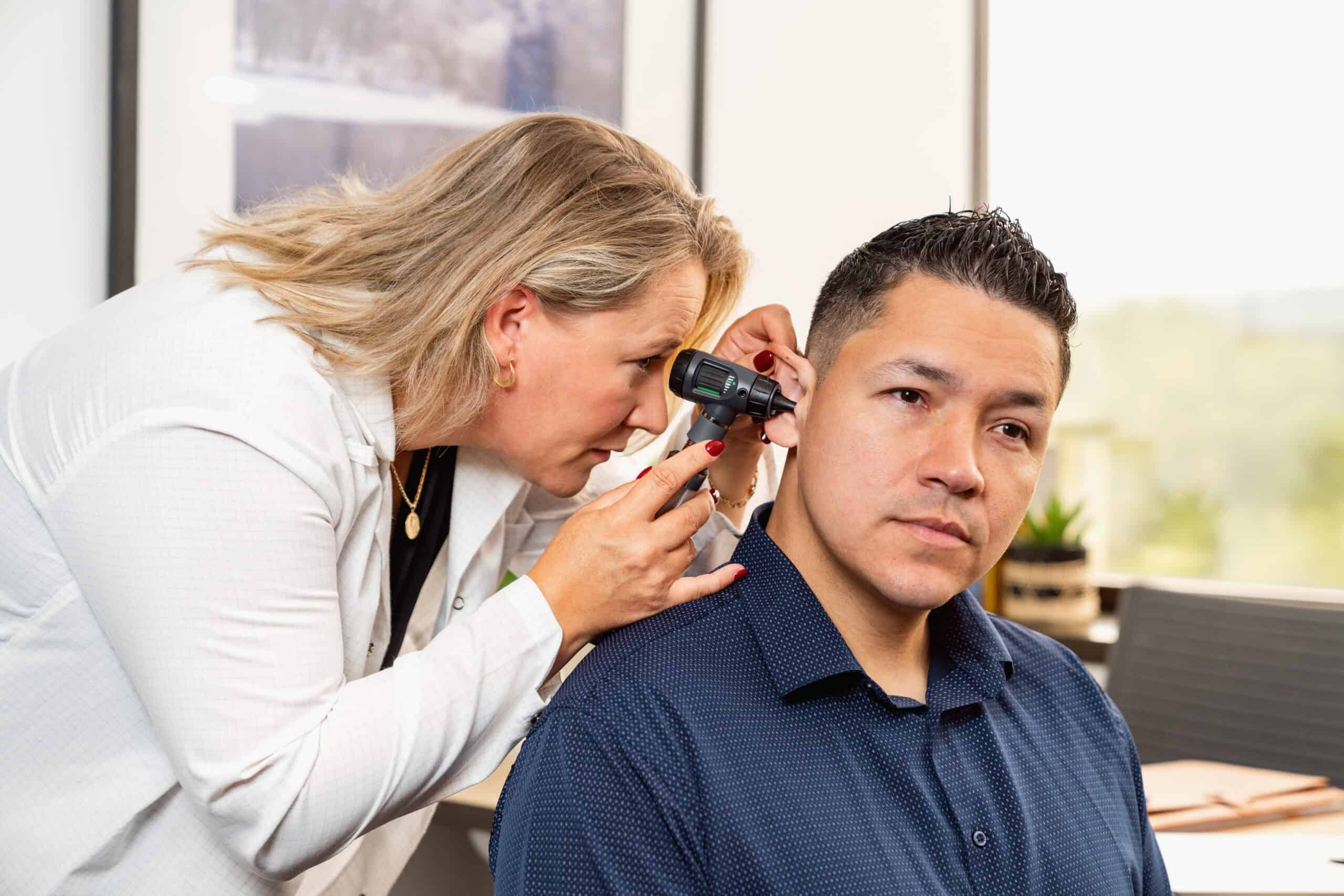

Why It Matters
Hearing is how we connect—with loved ones, colleagues, music, safety alerts, and the world around us. It’s also how we engage with lived experiences. Yet hearing loss often happens gradually, making it easy to overlook until it begins to affect relationships, confidence, and overall well-being.
Whether you’re noticing changes in your hearing or simply want to be proactive, caring for your hearing health is just as important as caring for your heart, eyes, teeth, and brain. Even if you don’t suspect a hearing difficulty, establishing a hearing baseline early—ideally by age 21—can help with future comparison and care decisions.
Signs You May Benefit from a Hearing Evaluation
- Frequently asking others to repeat themselves, or misunderstanding what people are saying
- People sound like they are mumbling
- Turning up the volume on devices
- Feeling like you are straining during conversations or are tired afterwards
- Avoiding social situations due to hearing challenges
- You have or have had health conditions like diabetes, heart or thyroid issues, circulation problems, frequent ear infections, ringing in the ears (tinnitus), dizziness, or exposure to medications known to affect hearing.
- You’re concerned that hearing loss may be affecting how others perceive you—struggling to hear can sometimes be mistaken for aging or disengagement. Today’s hearing aids are discreet, stylish, and smart—often resolving those concerns while helping you stay confident and connected.
Early evaluation leads to better outcomes—and helps you stay connected to the people and moments that matter most.
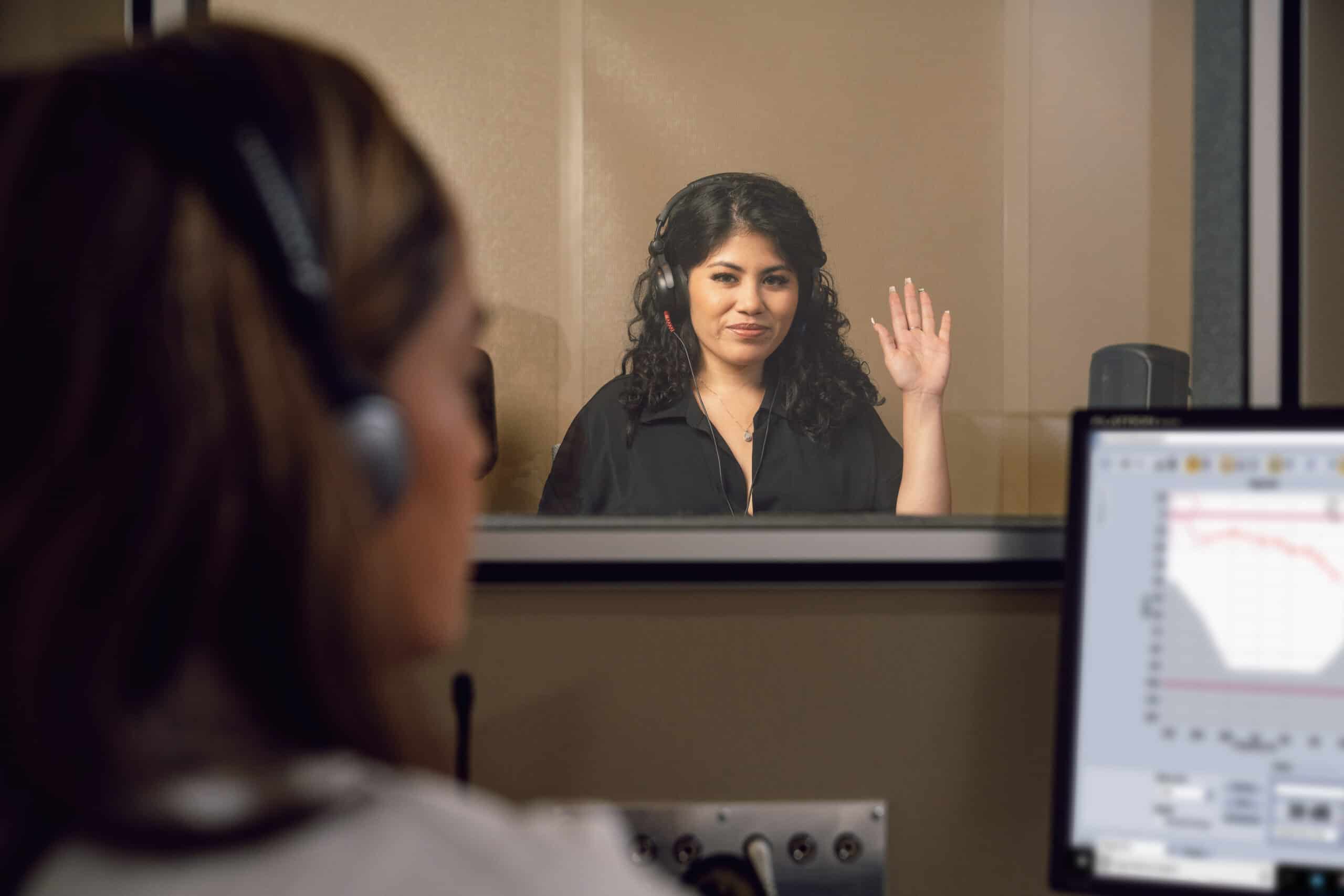
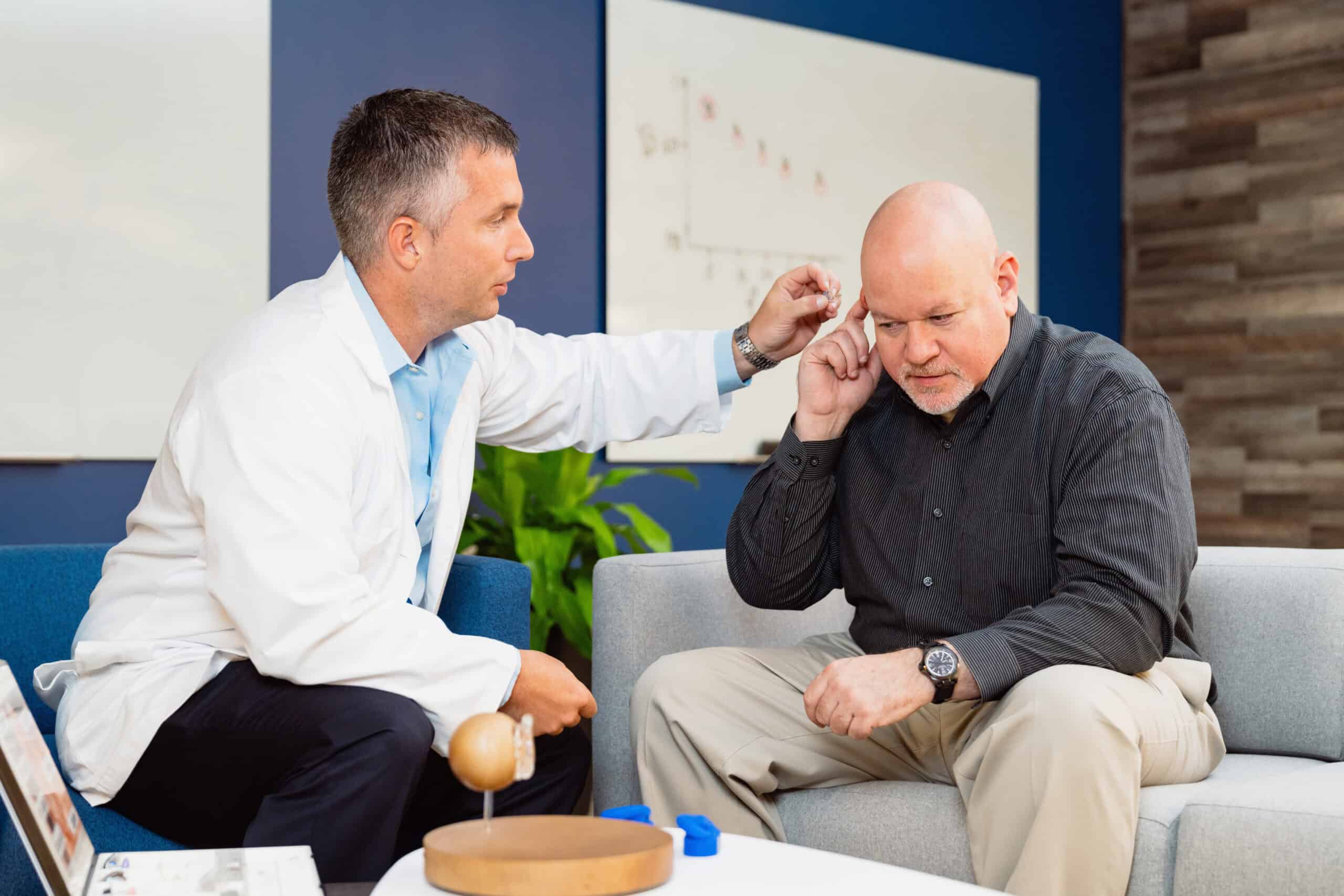
How Often Should You Get Your Hearing Checked?
Regular hearing evaluations help detect changes early and support whole-person wellness. A licensed provider will perform a comprehensive assessment, including pure tone and speech tests, sound field testing, and loudness level measurements.
The International Hearing Society recommends that all adults receive a baseline audiometric evaluation by age 21. After that, hearing should be evaluated at least every three years, or sooner if changes occur.
Protect Your Hearing: Prevention Matters
Hearing health isn’t just about solutions for hearing loss—it’s about prevention.
Exposure to loud music and noise from concerts, headphones, and other recreational settings are putting over 1 billion young people at risk of hearing loss, according to the World Hearing Forum and the World Health Organization (WHO).
The Centers for Disease Control and Prevention (CDC) reinforces that noise-induced hearing loss is 100% preventable with simple, proactive steps. If you need to shout to be heard at an arm’s length, the noise level is likely harmful.
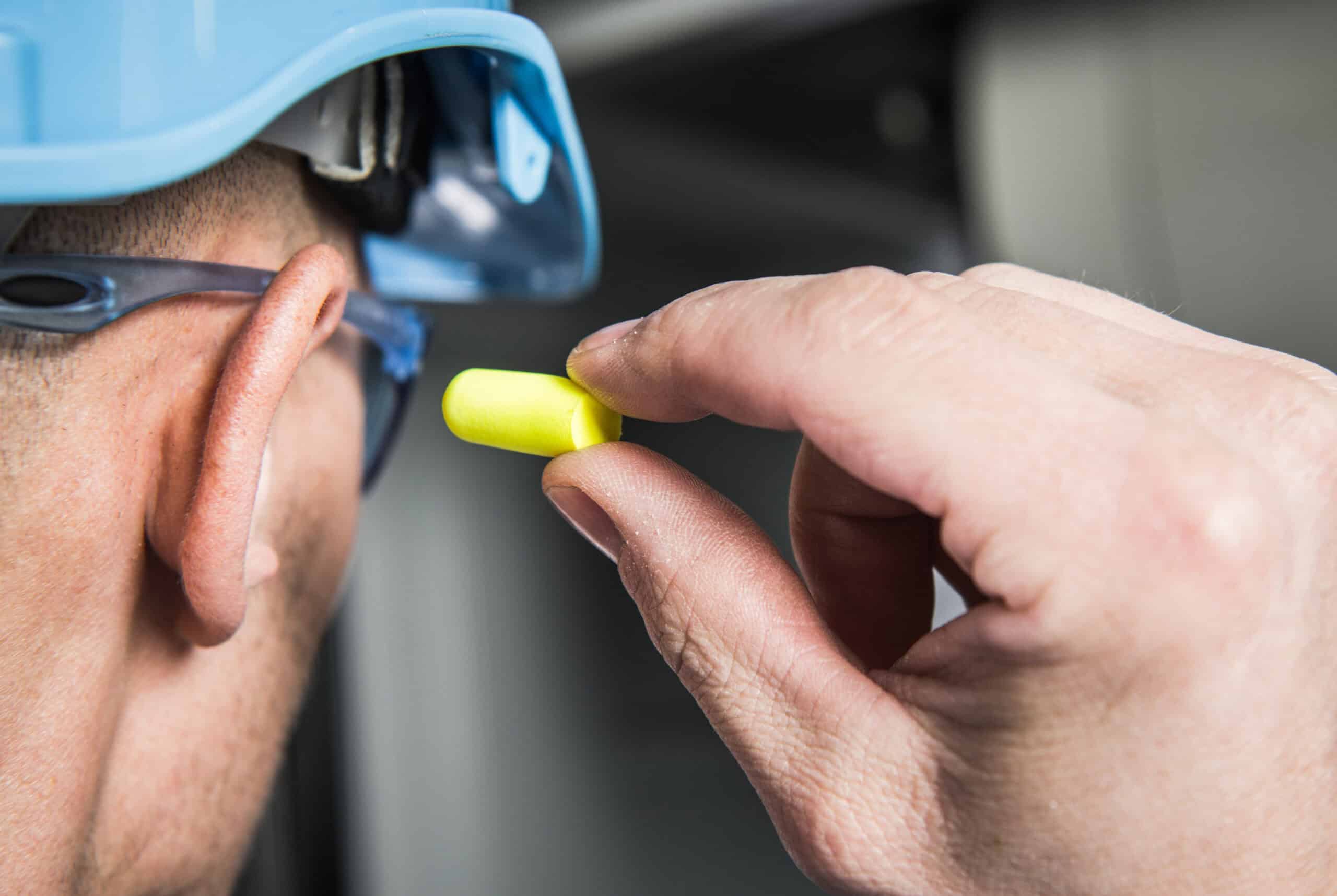
Why Hearing Protection Is Essential
Hearing loss from loud noise is permanent – but preventable. When left unaddressed, hearing loss leads to communication challenges, social isolation, and increased health risks. Protecting your hearing today means preserving your hearing and quality of life in the future.
Tips for Safer Listening
60/60 Rule
Lower the volume on personal audio devices, following the 60/60 rule. Listen at no more than 60% of maximum volume for no longer than 60 minutes at a time.
Hearing Protection
Use hearing protection, such as earplugs or earmuffs, while in loud environments like concerts, clubs, or workplaces.
Listening Break
Take listening breaks to give your ears time to recover.
Safety First
Enable safety features on smartphones and headphones that alert you when volume levels are too high.
Use Your Tech
Monitor sound levels using apps or built-in device features.
Know Your Limits
National Institute for Occupational Safety and Health (NIOSH) recommends exposure to noise at or above 85 decibels (dBA) should be limited to 8 hours, and every 3 dBA increase cuts safe exposure time in half.

Support for Families
Hearing loss affects everyone in the conversation. Family involvement improves outcomes and helps loved ones feel supported. Attending appointments together and learning communication strategies can make a big difference.
Take the First Step
Whether you’re ready for a hearing test or just want to learn more, a licensed provider can help you take the next step.