Life’s Sounds are Worth Hearing

Healthy hearing is essential to staying connected, engaged, and confident in everyday life. Whether you’re seeking trusted information, practical resources, or guidance on finding a local hearing healthcare provider, you’ve come to the right place.

The International Hearing Society (IHS) recommends that all adults receive a hearing evaluation by age 21 and continue scheduling regular checks throughout adulthood. Early and consistent care helps identify changes in hearing, ensures timely treatment, and promotes long-term wellness.

Hearing Healthcare Resources

From prevention to early detection, taking action on hearing health today ensures stronger connections and well‑being tomorrow.
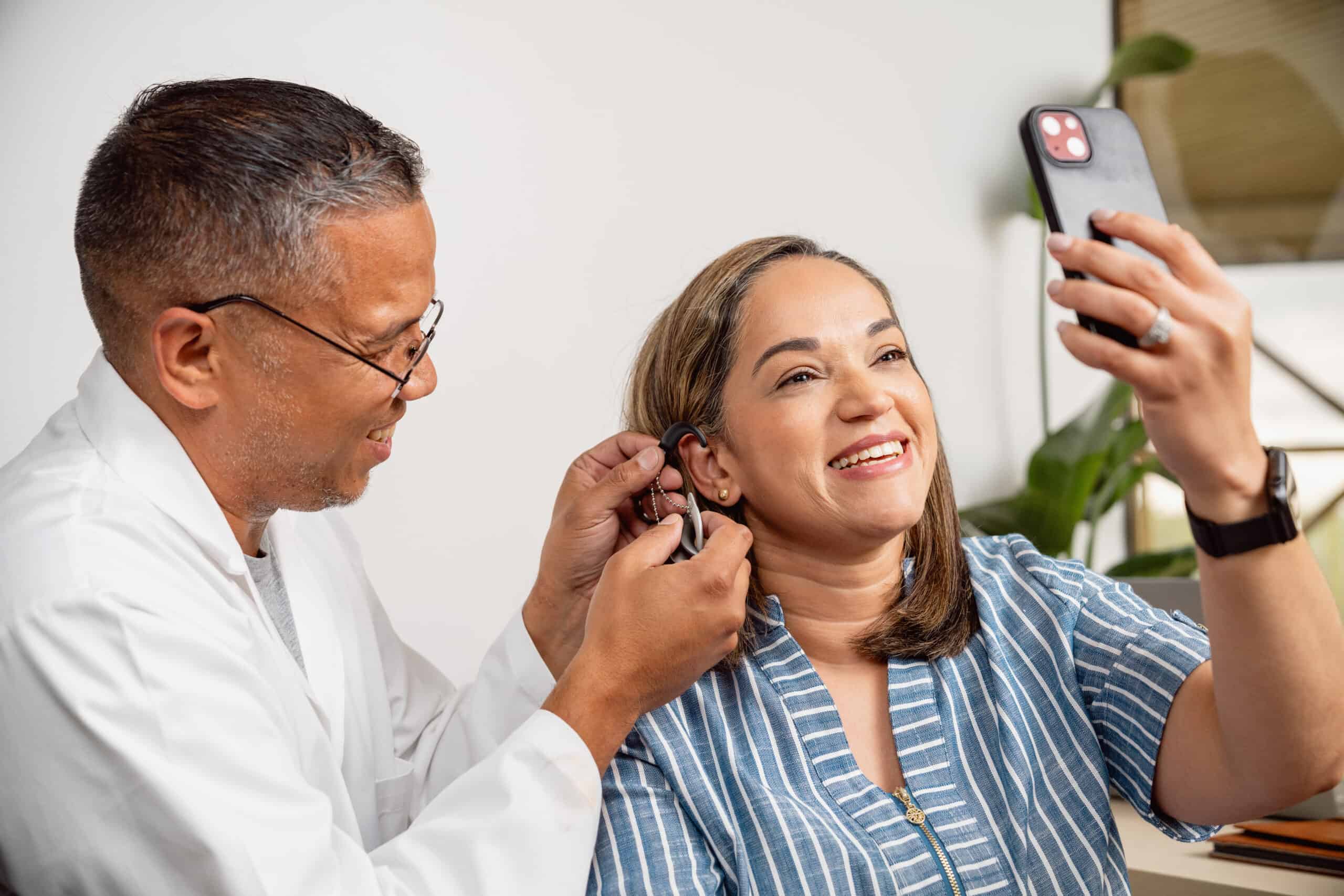
Happy female patient taking selfie with smartphone while hearing aid specialist in white coat fits her new behind-the-ear hearing aid. The patient smiles broadly, clearly delighted with her new devices, while the specialist carefully positions the hearing aid. Bright, clean office setting with plants in background creates a positive, celebratory atmosphere.

Preventative Hearing Health

Caring for hearing health is as vital as protecting your heart, eyes, teeth, and brain.

Hearing Care Solutions are Unique

Trust a Hearing Aid Specialist to guide you to the right solutions—it’s not just hearing aids.

Hearing aid specialist in white coat placing professional headphones on smiling senior woman in yellow shirt during hearing assessment. The patient looks upward with an engaged, cheerful expression while holding response button. Sound-dampening acoustic foam wall panels visible in background of audiology testing booth.
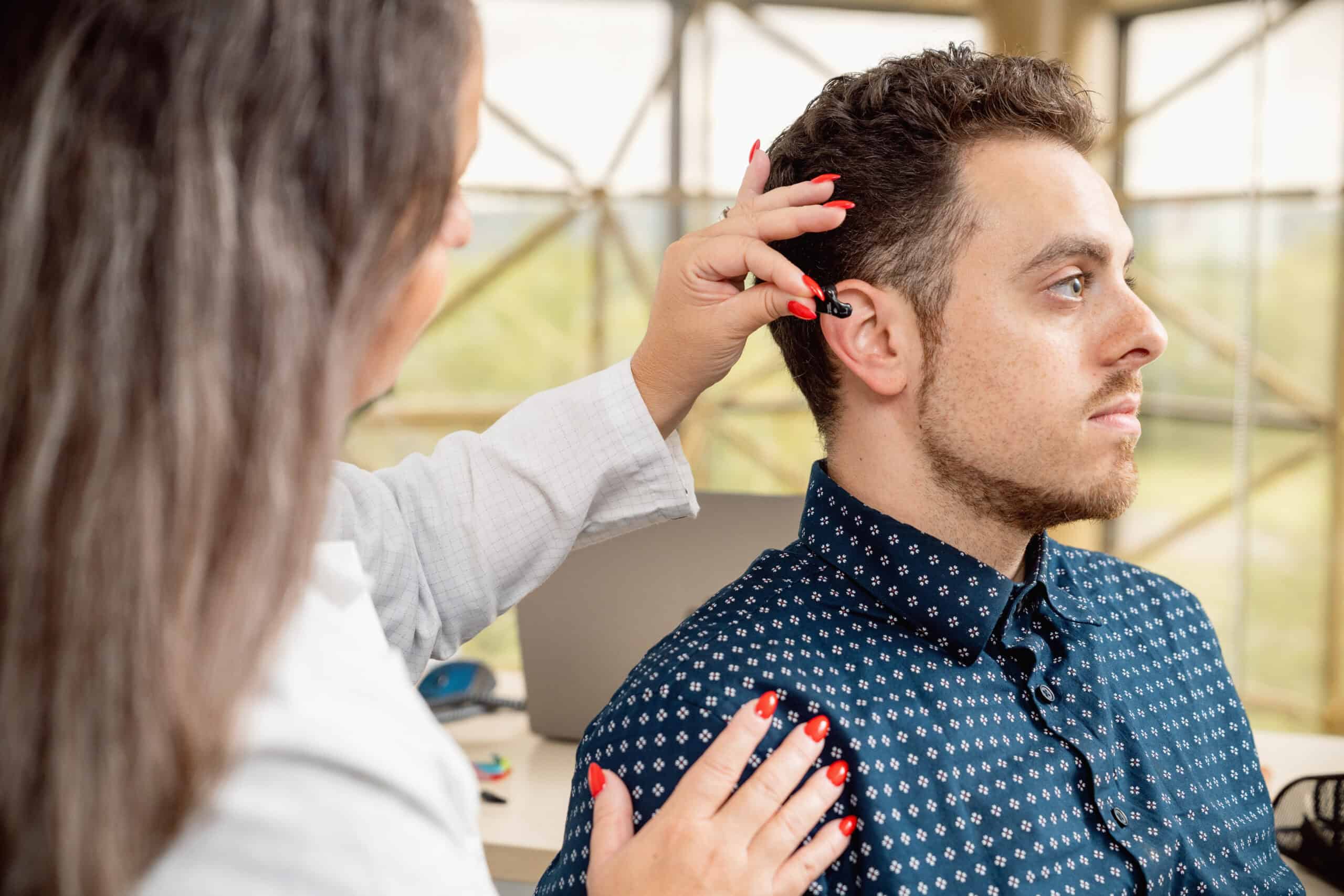
A young man being fitted for an hearing aid by a hearing healthcare professional

What’s a Hearing Aid Specialist?

These professionals play a vital role in ear and hearing health and public well-being.

Find a Local Hearing Healthcare Provider

Hearing Aid Specialists and audiologists are trained to provide thorough hearing evaluations and personalized hearing care services. When you choose an International Hearing Society (IHS) member, you’re selecting a professional who upholds a global Code of Ethics and stays connected to the latest trends, technology, and best practices in hearing healthcare.
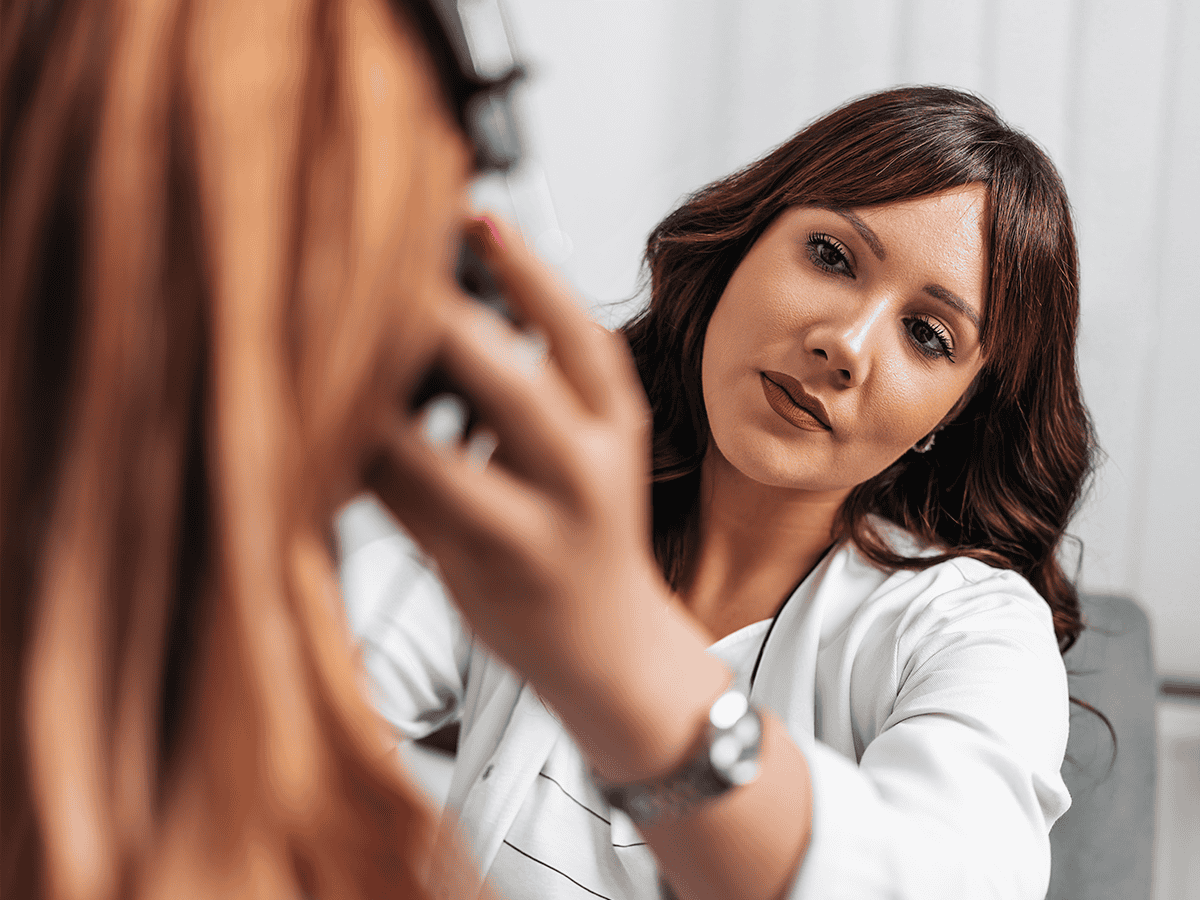
Hearing care professional conducting a hearing test on a client placing headphones on the woman's ears.

Frequently Asked Questions About Hearing Healthcare

These are some of the most common inquiries we receive. Contact IHS if you have any additional questions.

  • What is the difference between an Over-the-Counter Hearing Aid vs. a Prescription Hearing Aid?

    Over-the-Counter (OTC) Hearing Aids do not require or involve a hearing evaluation or professional fitting. While they may seem convenient, they’re designed only for adults with perceived mild to moderate hearing loss—and even then, results can vary widely. Without a proper diagnosis or support, users may struggle with comfort, effectiveness, and long-term satisfaction. IHS recommends seeing a licensed hearing healthcare professional who can determine whether an OTC hearing aid would be an appropriate option or a prescription hearing aid is best.

    Prescription Hearing Aids are recommended and fitted by licensed hearing healthcare professionals – Hearing Aid Specialists and some Audiologists, following a hearing evaluation to determine the appropriate next steps for hearing healthcare.  These devices can meet the needs of the vast majority of people across the spectrum of hearing ability, from mild to severe and profound losses. These devices are selected based on your actual hearing profile and lifestyle needs, and come with personalized programming, education, and follow-up care to ensure success.


  • What is the required minimal education for a Hearing Aid Specialist?

    To become a licensed Hearing Aid Specialist, individuals complete training designed specifically for the profession. The two paths to join the field are 1) a comprehensive apprenticeship program paired with a distance learning course, or 2) a two-year college degree in hearing aid sciences. These pathways combine hands-on experience with foundational knowledge to prepare professionals for licensure and success in hearing healthcare.  Learn more about Hearing Aid Specialists here.


  • What is the difference between a Hearing Aid Specialist and an Audiologist? Is one better than the other?

    Both Hearing Aid Specialists and Audiologists are licensed hearing healthcare professionals who help people with hearing loss through evaluations, counseling, and hearing aid services.

    Hearing Aid Specialists: 

      • Enter the field through specialized training or apprenticeship programs.
      • Are licensed to perform hearing evaluations, fit and adjust hearing aids and assistive devices, and provide ongoing support. They may provide additional services.
      • Are often the first point of contact in community settings, recognized for accessible and cost‑effective care, as well as their highly personalized approach.

    Audiologists:

    • Hold advanced degrees (Doctor of Audiology or Masters).
    • Provide a broader range of services and care related to auditory disorders and balance/vestibular disorders. Many, but not all, audiologists fit hearing aids.
    • Commonly work in clinical, educational, or hospital settings and may collaborate with other medical professionals.

    Neither is “better” overall. It simply depends on your needs.

    • If you’re seeking a hearing assessment and/or hearing aid services, personalized care, and ongoing support, a Hearing Aid Specialist may be the right fit.
    • If you need comprehensive diagnostic testing or care for complex hearing and balance issues, an Audiologist may be more appropriate.
    • If your care requires a medical diagnosis or evaluation, or medical or surgical intervention, or you have experienced sudden hearing loss, visit an otolaryngologist (also known as an Ear, Nose, and Throat (ENT) physician). 

    These providers all play important roles in hearing healthcare, and the best choice comes down to your individual situation, preferences, and type of hearing concern.  Learn more here.